Global Service Hotline US Toll-Free: +1 833 370 5577

HSMC · Journal

Health Insights & Guides

Practical guides and expert perspectives from Shanghai medical frontline

Featured
· 31 min read surgery

Huashan Specialist and Fellow Shanghai Surgeon Perform Tibet’s First Retroperitoneal Tumor Resection Assisted by a Chinese-Developed Surgical Robot

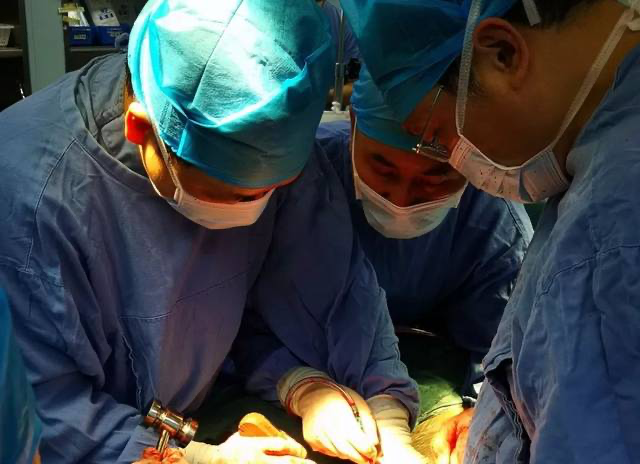
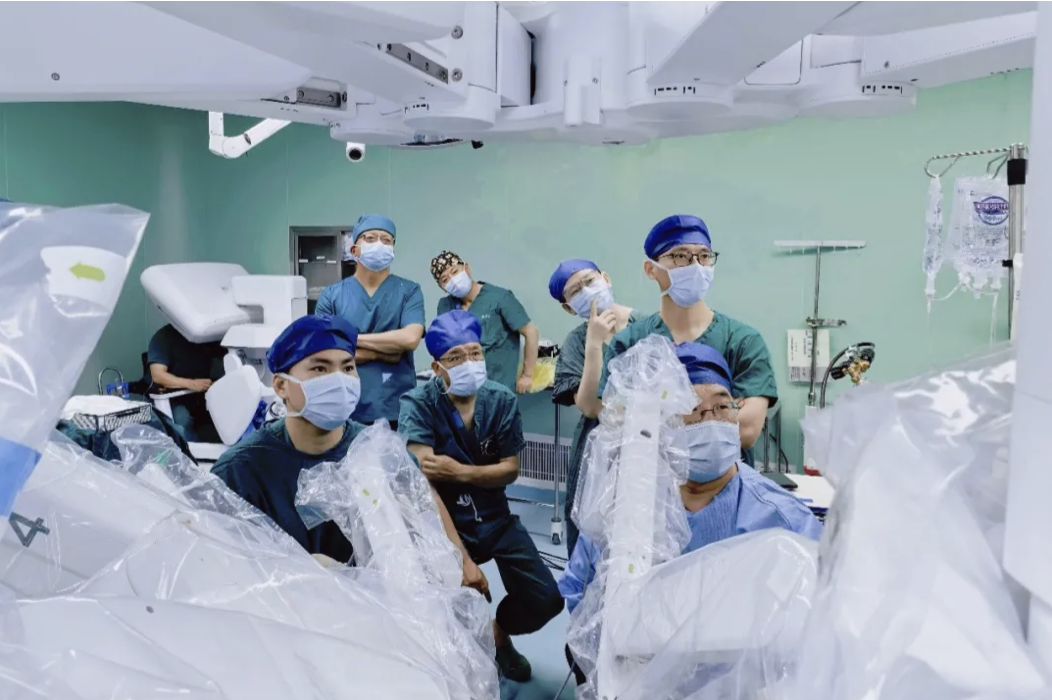
Zhou Yiming, a general surgery specialist from Huashan Hospital, Fudan University, serving on a medical assistance assignment in Tibet, and Zhang Haimin, a urology specialist from Shanghai Tenth People’s Hospital on the same program, recently served as joint lead surgeons at Shigatse People’s Hospital in Tibet. Using a Chinese-developed surgical robot, they successfully removed an 8-centimeter schwannoma located deep in the retroperitoneum of a 32-year-old woman.
Huashan Specialist and Fellow Shanghai Surgeon Perform Tibet’s First Retroperitoneal Tumor Resection Assisted by a Chinese-Developed Surgical Robot

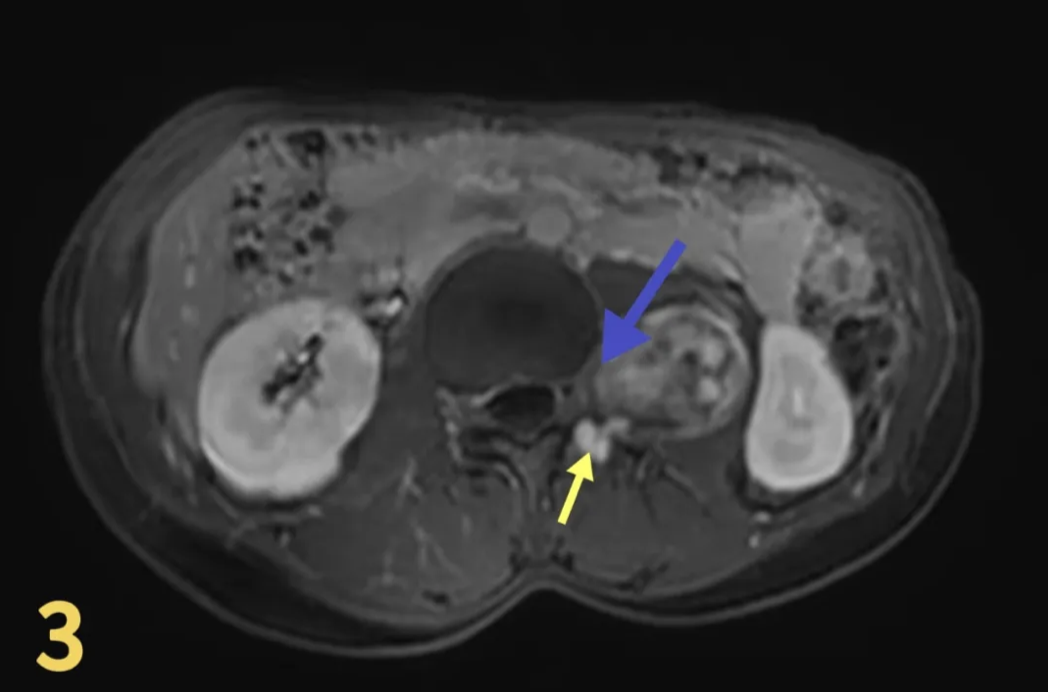
Zhou Yiming, a general surgery specialist from Huashan Hospital, Fudan University, serving on a medical assistance assignment in Tibet, and Zhang Haimin, a urology specialist from Shanghai Tenth People’s Hospital on the same program, recently served as joint lead surgeons at Shigatse People’s Hospital in Tibet. Using a Chinese-developed surgical robot, they successfully removed an 8-centimeter schwannoma located deep in the retroperitoneum of a 32-year-old woman. According to the original report, this was the first retroperitoneal tumor resection assisted by a Chinese-developed surgical robot in the Tibet Autonomous Region, marking an advance in minimally invasive care for complex conditions at high altitude. A Deep-Seated Tumor Requiring Exceptionally Careful Dissection The patient sought medical attention for persistent, recurrent lower back pain. Imaging revealed a tumor approximately 8 centimeters in diameter immediately medial to the left renal hilum. The mass compressed the ureter, causing left hydronephrosis, and extended behind the psoas major muscle. The tumor lay close to major blood vessels, including the abdominal aorta and renal artery, and a portion extended into an intervertebral foramen. The operative space was extremely confined, with dense adhesions between the lesion and critical surrounding structures. Vascular injury during resection could have caused life-threatening hemorrhage, while damage to important nerves could have resulted in lower-limb numbness or motor impairment. The procedure therefore demanded considerable technical expertise, close teamwork, and readiness to manage intraoperative emergencies.
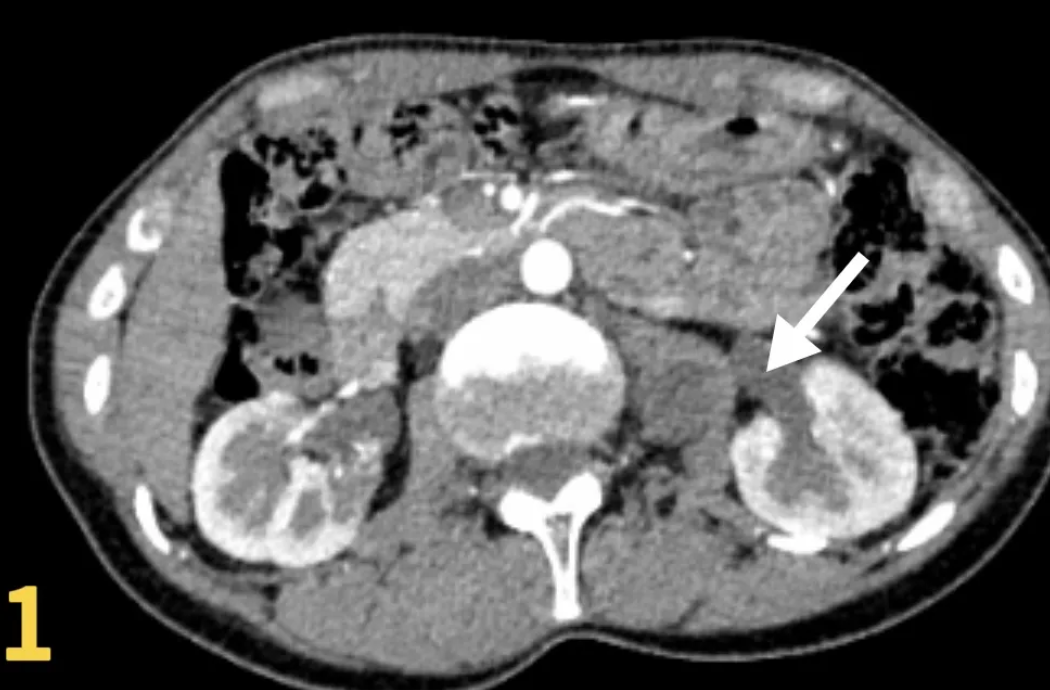
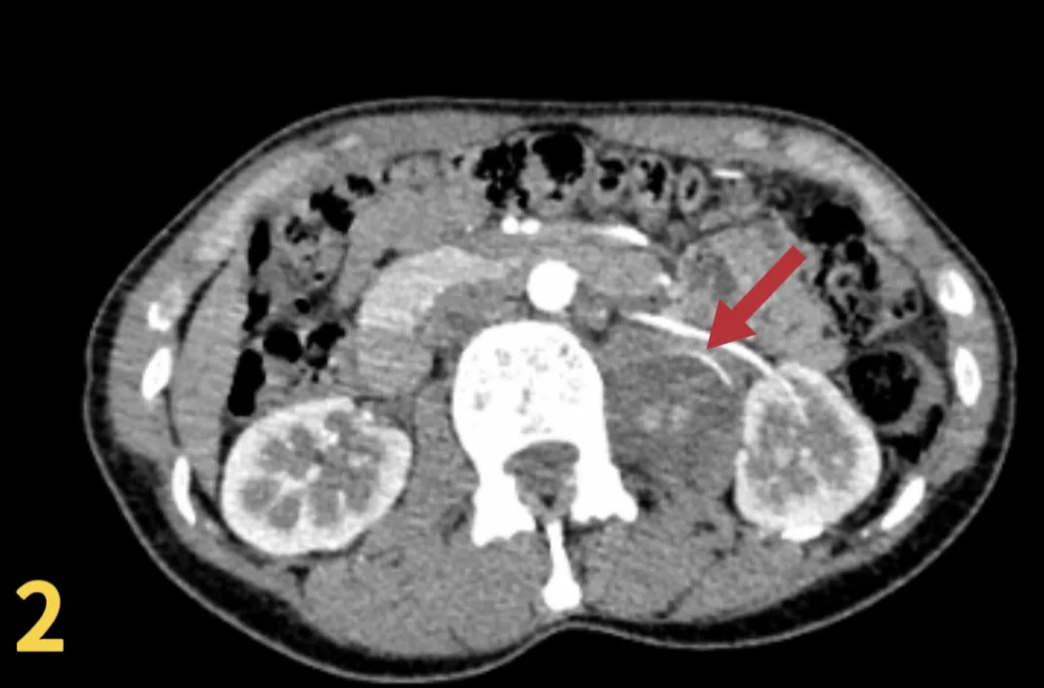
图片

图片

图片

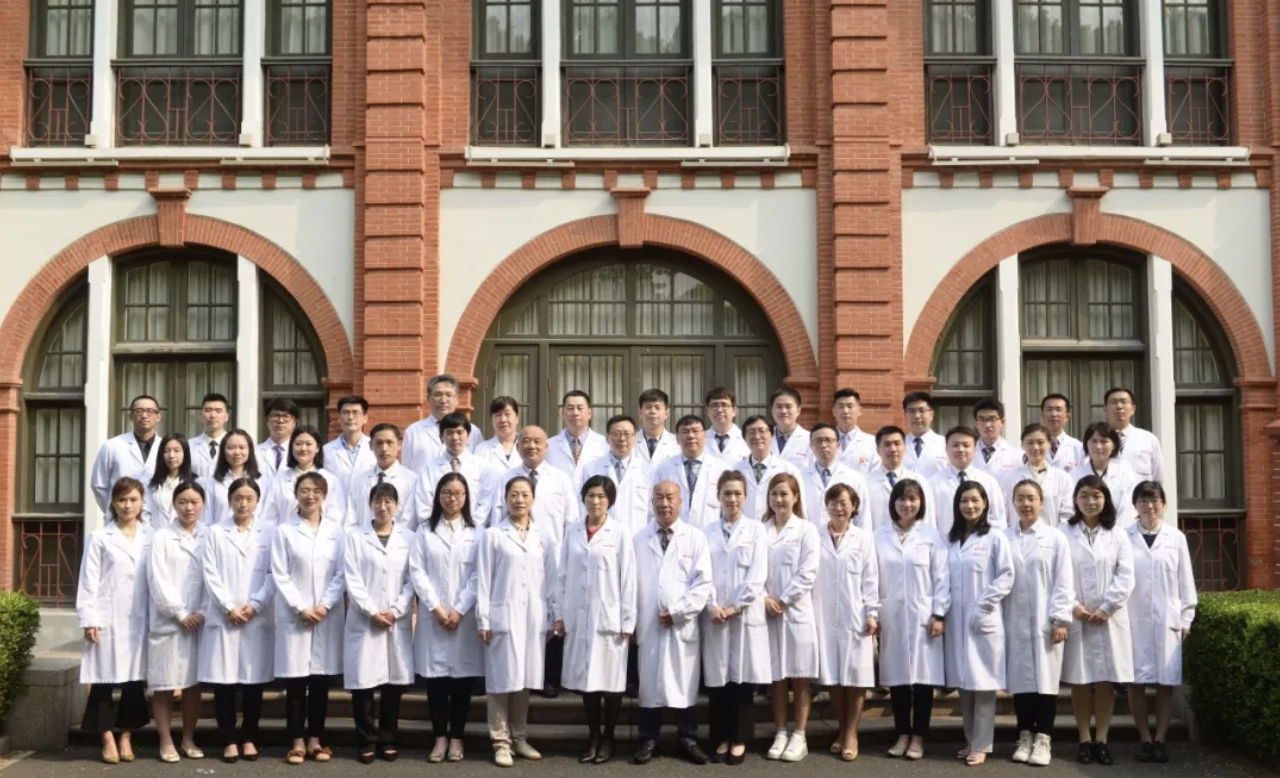
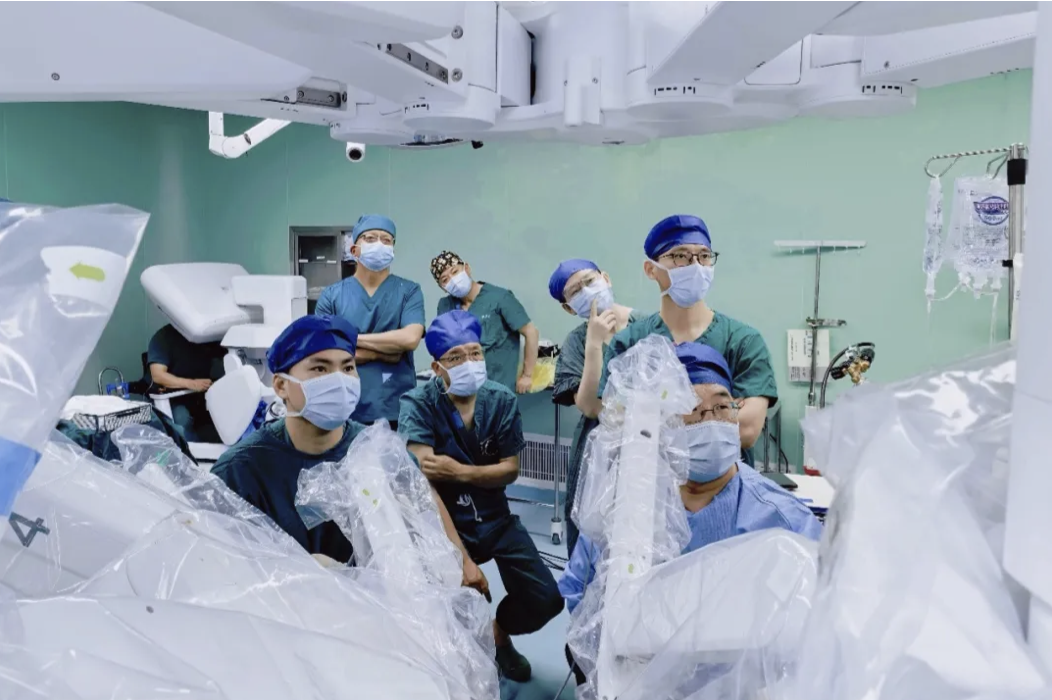
Joint Consultation Between Shanghai and Tibet Specialists to Plan the Surgical Approach Before surgery, Zhang Ning, a liver surgery specialist from Fudan University Shanghai Cancer Center serving in Tibet, organized a multidisciplinary consultation involving specialists from Shanghai and Tibet to assess the risks and plan the procedure. Drawing on his expertise in deep retroperitoneal anatomy and robotic surgery, Zhou Yiming evaluated the optimal approach to the plane deep to the psoas major, how to establish a safe dissection plane between the abdominal aorta and the spine, and how to limit traction and bleeding during adhesiolysis. Chen Chang’an, a radiology specialist from Shanghai Children’s Medical Center serving in Tibet, provided detailed imaging interpretation to guide surgical planning. Zhang Haimin focused on identifying and protecting the renal hilar vessels and ureter. Li Chen, a neurosurgery specialist from Zhongshan Hospital, Fudan University, serving in Tibet, developed the intraoperative electrophysiological monitoring plan to help protect neurological function throughout the procedure. Chen Yongzhu, an anesthesiology specialist from Shanghai Sixth People’s Hospital, Shanghai Jiao Tong University School of Medicine, and Zhang Zhiyun, an intensive care specialist from Renji Hospital, Shanghai Jiao Tong University School of Medicine, worked with the local medical and nursing teams to safeguard the patient throughout the perioperative period. Zhang Jingwei, an orthopedic specialist from Shanghai Ninth People’s Hospital, Shanghai Jiao Tong University School of Medicine, assessed spinal stability in view of the tumor’s extension into the intervertebral foramen. Meticulous Dissection to Achieve Complete Tumor Removal Separating the tumor from critical surrounding structures was among the most technically demanding parts of the operation. The deep operative field was narrow, vital structures were closely intertwined, and tissue planes between the tumor, blood vessels, and adjacent tissues were often indistinct. Each step required precise judgment at a millimeter scale. Using the surgical robot’s magnified, high-definition three-dimensional view and articulated instruments, Zhou Yiming identified subtle anatomical planes and carefully dissected the tissues layer by layer. Near major vessels and important nerves, he drew on his experience in adhesiolysis and hemostasis during complex surgery, carefully controlling traction, exposure angles, and dissection depth. He continually balanced tumor mobilization, nerve preservation, and bleeding prevention while progressively separating the most challenging areas. This expertise reflects the emphasis on multidisciplinary surgical training within Huashan Hospital’s Department of General Surgery. Zhou Yiming’s ability to identify tissue planes in confined anatomical spaces, manage major blood vessels, and control bleeding—together with his experience in laparoscopic and robotic surgery for complex gastrointestinal tumors—provided a strong foundation for exposing and dissecting this deep-seated lesion.
图片

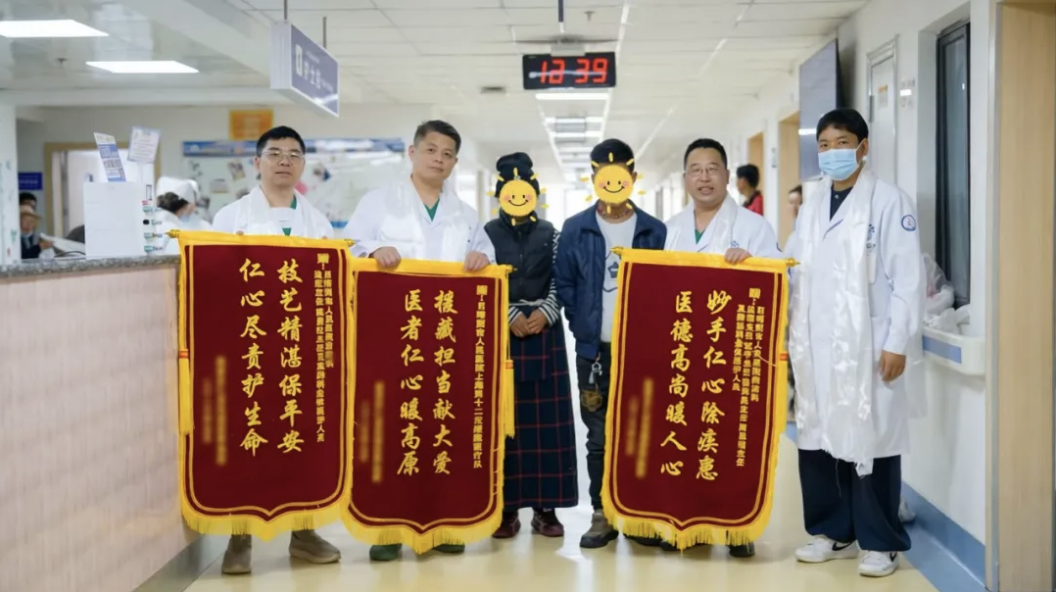
The tumor was ultimately removed in its entirety, without major intraoperative hemorrhage. The patient recovered well, experiencing only mild numbness over the lateral aspect of the left thigh, with no severe neurological deficit. The numbness improved substantially following treatment intended to support nerve recovery and relieve symptoms. She was discharged on postoperative day 10.
图片

As a member of Shanghai’s 12th Medical Assistance Team to Tibet, Zhou Yiming has combined the treatment of complex cases with hands-on training alongside specialists from Shanghai and Tibet. Beyond individual operations, the program aims to bring advanced surgical care closer to patients while developing lasting local expertise, enabling more patients with complex conditions to receive timely and safe treatment within the region.

Sources credited in the original article: Shanghai’s 12th Medical Assistance Team to Tibet; Shigatse People’s Hospital
 Translation and republication notice: This article is an English translation of the Chinese text provided, with adjustments for clarity and formatting. Original images and their captions are not included. Copyright remains with the original authors and relevant rights holders. It is shared to communicate clinical practice and medical assistance activities in Tibet and does not imply endorsement of this account or its services by the original authors, medical institutions, or clinical teams. The treatment course and outcome described relate to this individual patient and do not constitute a guarantee of outcomes for others. Clinical decisions should be made by qualified physicians based on each patient’s circumstances.
Read full article

Featured
· 35 min read neuroscience

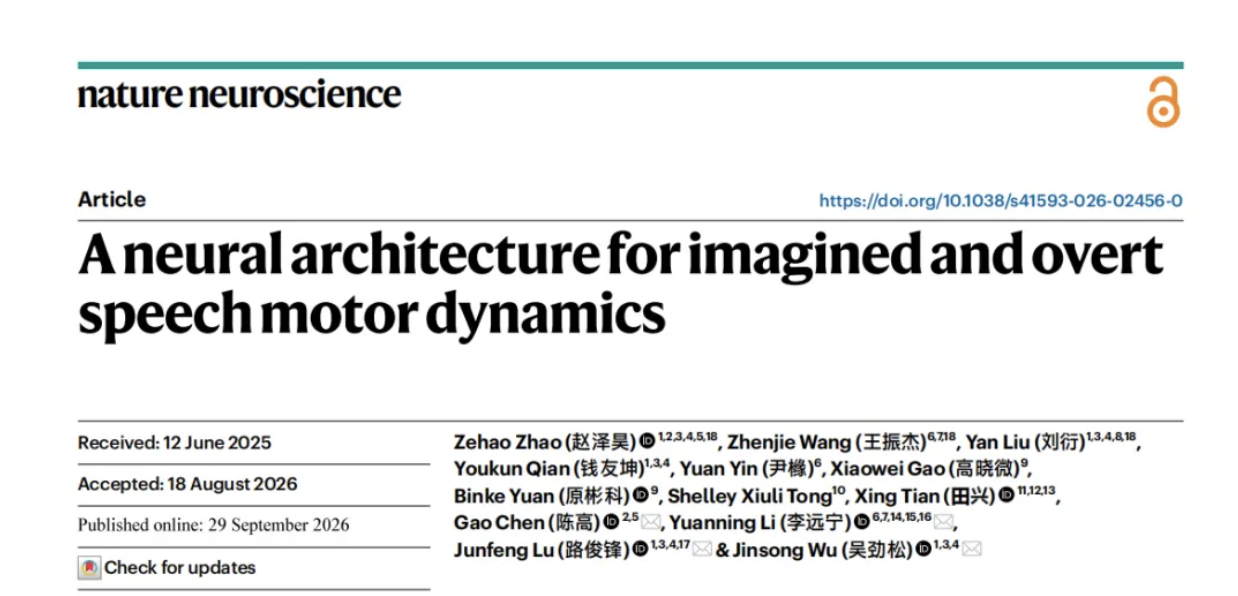
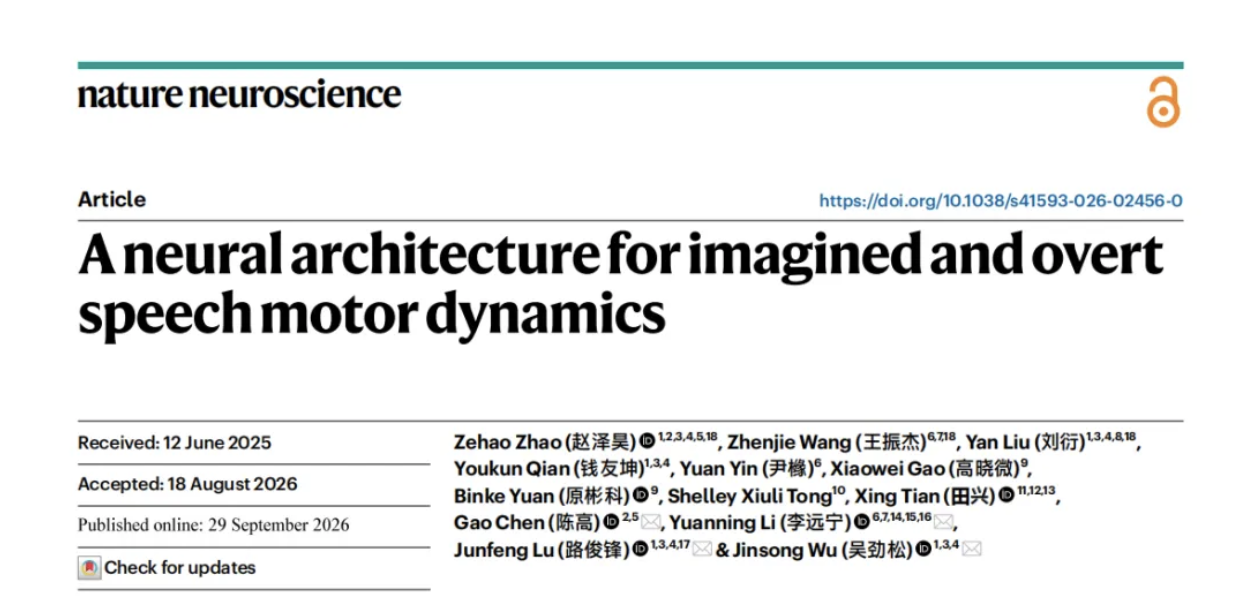
Huashan Researchers Publish in Nature Neuroscience: Shared and Distinct Neural Encoding Mechanisms Underlying Imagined and Overt Speech | Huashan Research

When we silently rehearse a sentence in our minds without producing any sound, how does the brain generate this “silent speech”? This question concerns a longstanding unresolved problem in neuroscience. Although the cognitive processes underlying overt speech have been studied relatively systematically, direct evidence of the internal neural mechanisms supporting imagined speech remains limited. Neurolinguistic models based on noninvasive functional mapping suggest that imagined and overt speech may share certain motor planning processes and patterns of frontoparietal activation. However, the spatial and temporal resolution of noninvasive techniques has limited direct investigation of their encoding relationships at finer spatiotemporal scales.

图片

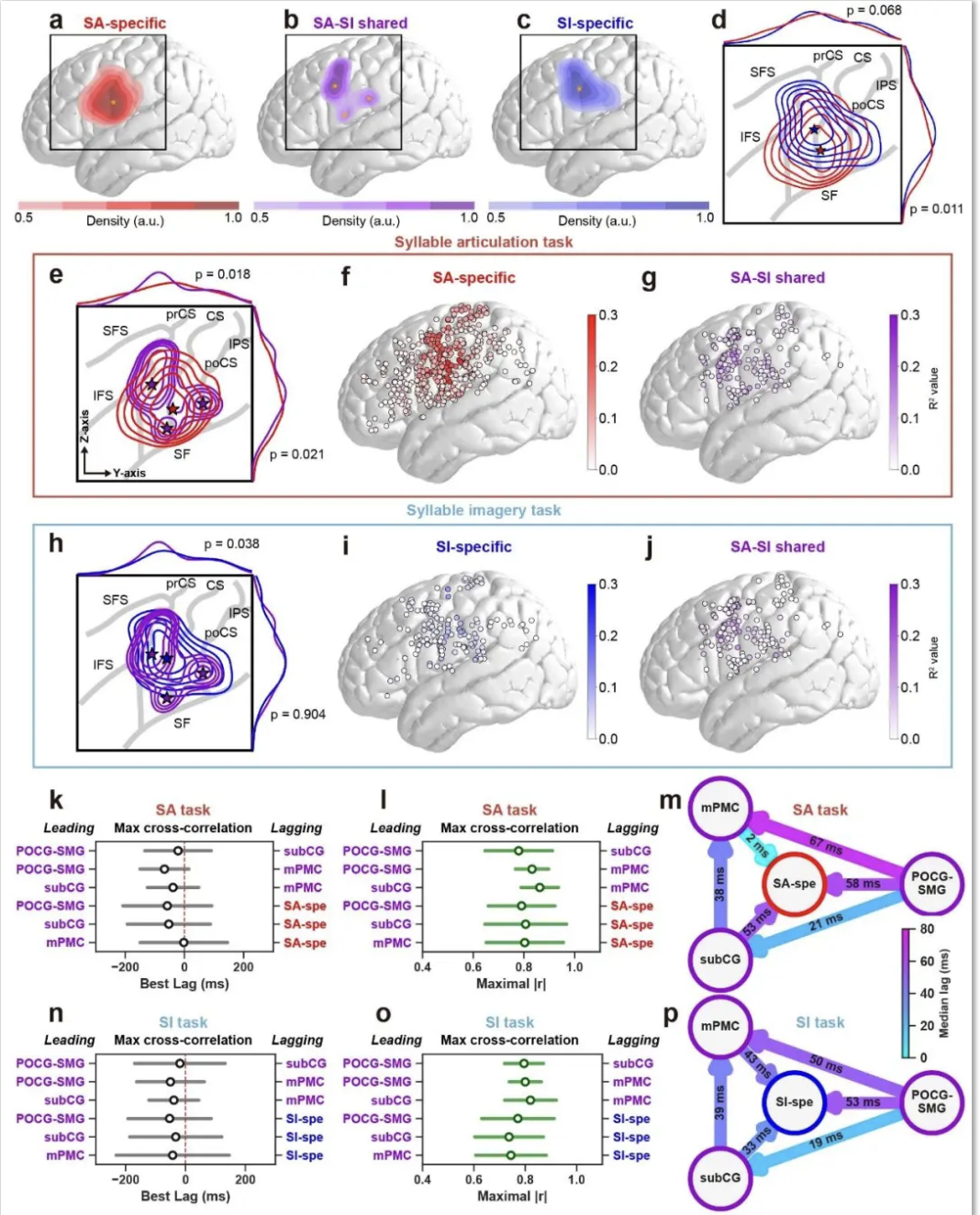
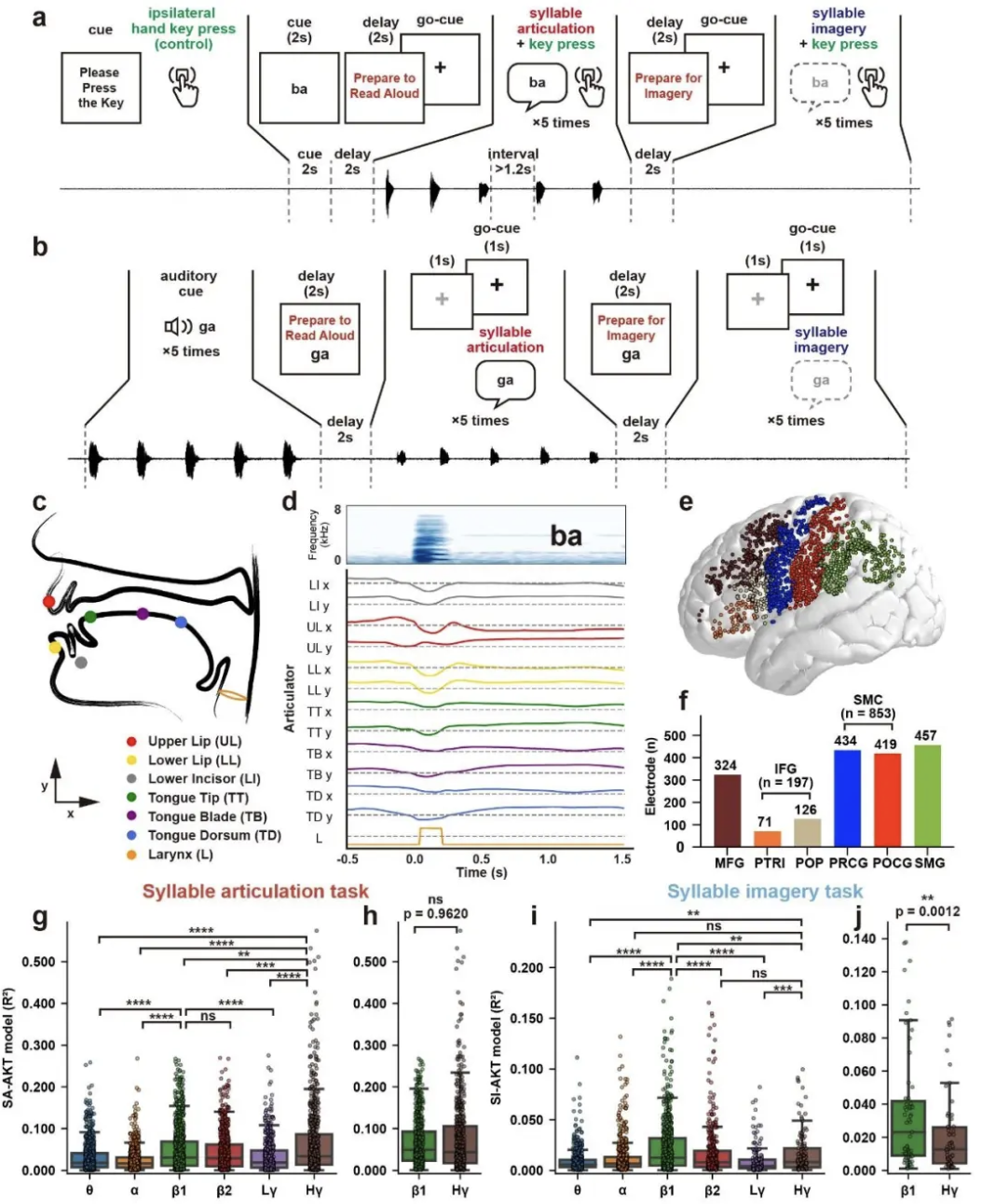
Supported by China’s Science and Technology Innovation 2030—“Brain Science and Brain-Inspired Research” Major Project, researchers led by Wu Jinsong and Lu Junfeng at Huashan Hospital, Fudan University, and the Shanghai Key Laboratory of Brain–Computer Interface Clinical Trials and Translation, together with Li Yuanning’s team at ShanghaiTech University, Chen Gao’s team at the Second Affiliated Hospital of Zhejiang University School of Medicine, and collaborators, used high-density electrocorticography (ECoG) to systematically characterize shared and distinct neural encoding patterns for articulatory movement trajectories during imagined and overt speech. Building on these findings, the researchers developed a deep learning decoding framework to generate text and speech and reconstruct articulatory movement trajectories from brain activity. The study, entitled A neural architecture for imagined and overt speech motor dynamics, was published online in Nature Neuroscience on September 29, 2026. Overt and Imagined Speech: Distinct Spectral Contributions Across Speech Conditions Using high-density intracranial electrocorticography (ECoG), the researchers recorded frontoparietal neural activity while participants performed imagined speech tasks, termed Speech Imagery (SI), and overt speech tasks, termed Speech Articulation (SA). The two tasks differed in the frequency bands that contributed most strongly to articulatory motor encoding. During overt speech, the high-gamma band (70–150 Hz) made the largest contribution, followed by the beta-1 band (12–24 Hz). During imagined speech, however, the lower-frequency beta-1 band predominated. These findings suggest that the brain relies on different spectral components when executing an overt action and internally simulating it. High-gamma activity contributed primarily to articulatory motor execution, whereas beta-1 activity may participate more broadly in coordinating speech networks involved in motor planning, internal simulation, and the execution and maintenance of articulation.

图片

The Beta-1 Band: Shared Upstream Speech Planning and Distinct Downstream Processes The researchers then focused on the beta-1 band, which predominated during imagined speech, and performed detailed functional classification and spatiotemporal analyses across the recorded electrodes. They found that the middle premotor cortex (mPMC), subcentral gyrus (subCG), and postcentral gyrus–supramarginal gyrus junction (POCG–SMG) exhibited shared spatiotemporal encoding patterns during imagined and overt speech. These regions integrated motor plans involving multiple articulators, including the lips, tongue, jaw, and larynx. By contrast, neural populations in the primary ventral sensorimotor cortex (vSMC) showed pronounced specificity to the speech condition. Some populations were involved in executing movements of individual articulators, while others were involved in internally simulating articulatory movements. These populations were spatially interleaved. Further temporal analyses showed that activation of the shared clusters preceded that of the condition-specific clusters during both overt and imagined speech. The analyses also indicated a consistent direction of information flow across the two conditions: signals originated in the parietal POCG–SMG region, propagated anteriorly to the frontal mPMC and subCG, and ultimately converged on condition-specific neural populations in the vSMC to support either articulatory execution during overt speech or internal simulation during imagined speech.

图片

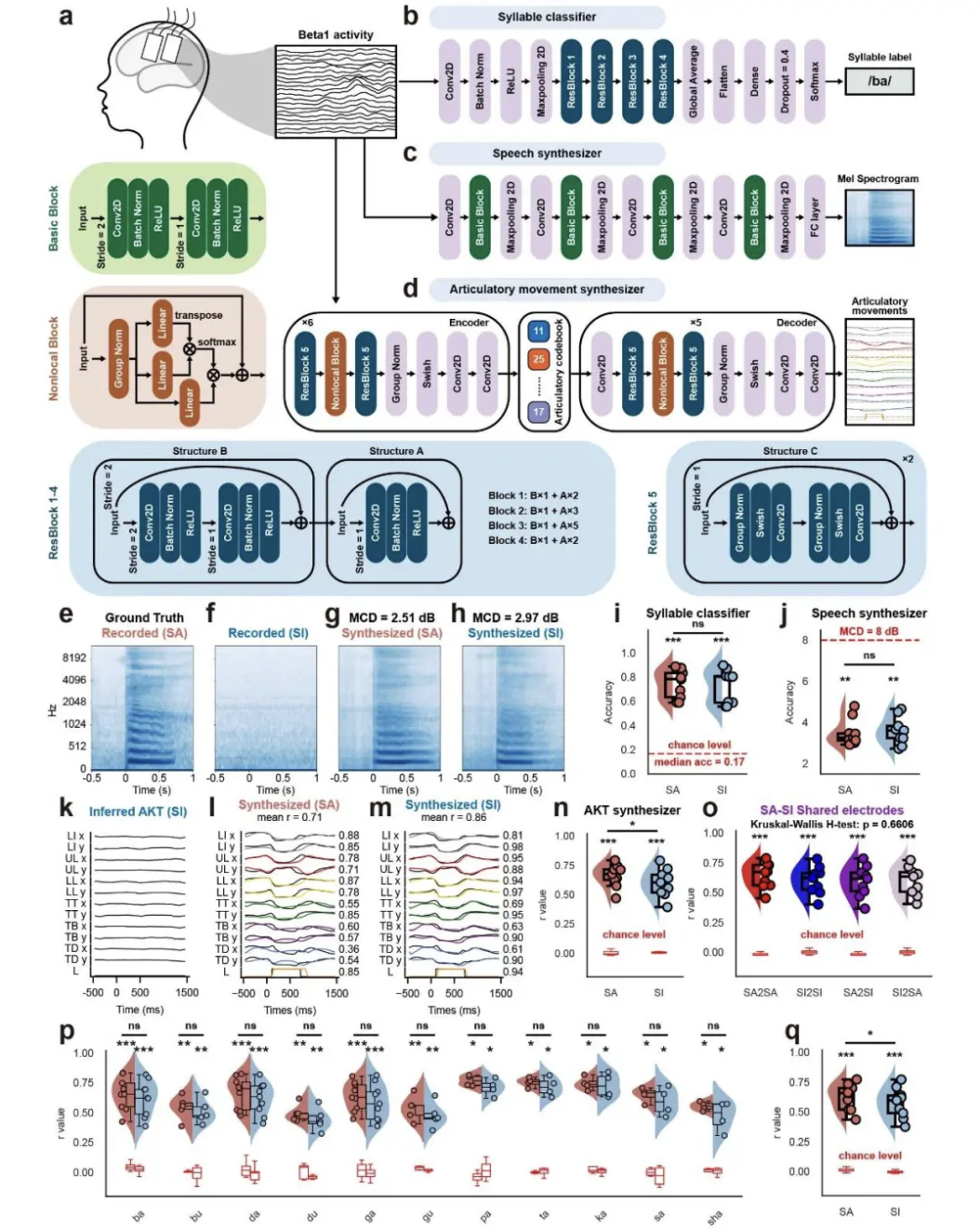
One Framework, Bidirectional Decoding: Cross-Condition Reconstruction of Imagined Speech Based on these findings, the researchers developed a decoding framework capable of classifying syllables, synthesizing speech, and reconstructing articulatory movement trajectories from the same segment of neural activity. During imagined syllable production, median syllable classification accuracy reached 80.4%. Speech synthesis and articulatory movement reconstruction also performed significantly better than chance-level baselines. Performance on all three principal measures was comparable to that achieved when decoding overt speech.

图片

The model also demonstrated a degree of transfer between speech conditions. By exploiting neural representations shared by overt and imagined speech, a model trained on overt speech data could directly decode imagined speech, and transfer in the reverse direction was also possible. These findings provide a theoretical basis and suggest potential implantation targets for speech brain–computer interfaces that operate across the two conditions. For syllables not included in training, the model could also predict articulatory movement trajectories from ECoG signals. This offers a theoretical and engineering foundation for improving the generalizability and robustness of future imagined-speech brain–computer interface systems in clinical settings. Professor Wu Jinsong and Associate Professor Lu Junfeng of Huashan Hospital, Fudan University; Principal Investigator Li Yuanning of ShanghaiTech University; and Professor Chen Gao of the Second Affiliated Hospital of Zhejiang University School of Medicine are co-corresponding authors of the paper. Dr. Zhao Zehao of Huashan Hospital, Fudan University; Dr. Wang Zhenjie of ShanghaiTech University; and Dr. Liu Yan of Huashan Hospital, Fudan University are co-first authors. The study received substantial support from the Academic Committee of the Shanghai Key Laboratory of Brain–Computer Interface Clinical Trials and Translation. Funding was provided by China’s Science and Technology Innovation 2030—“Brain Science and Brain-Inspired Research” Major Project, the National Natural Science Foundation of China, the Shanghai Municipal Education Commission’s Research and Innovation Program, and other funding programs.

Original article by: Zhao Zehao, Department of Neurosurgery
Original article reviewed by: Lu Junfeng, Department of Neurosurgery
Original source: Official WeChat subscription account of Huashan Hospital, Fudan University
 Translation and republication notice: This article is an English translation of the Chinese original cited above. Copyright remains with the original authors and relevant rights holders. It is shared to communicate research developments and does not imply endorsement of this account or its services by the original authors, research teams, or affiliated institutions. The findings apply to the research conditions described and should not be interpreted as evidence of an approved clinical application or as a guarantee of benefit for individual patients.

Read full article

Featured
· 49 min read ["nuclear medicine"

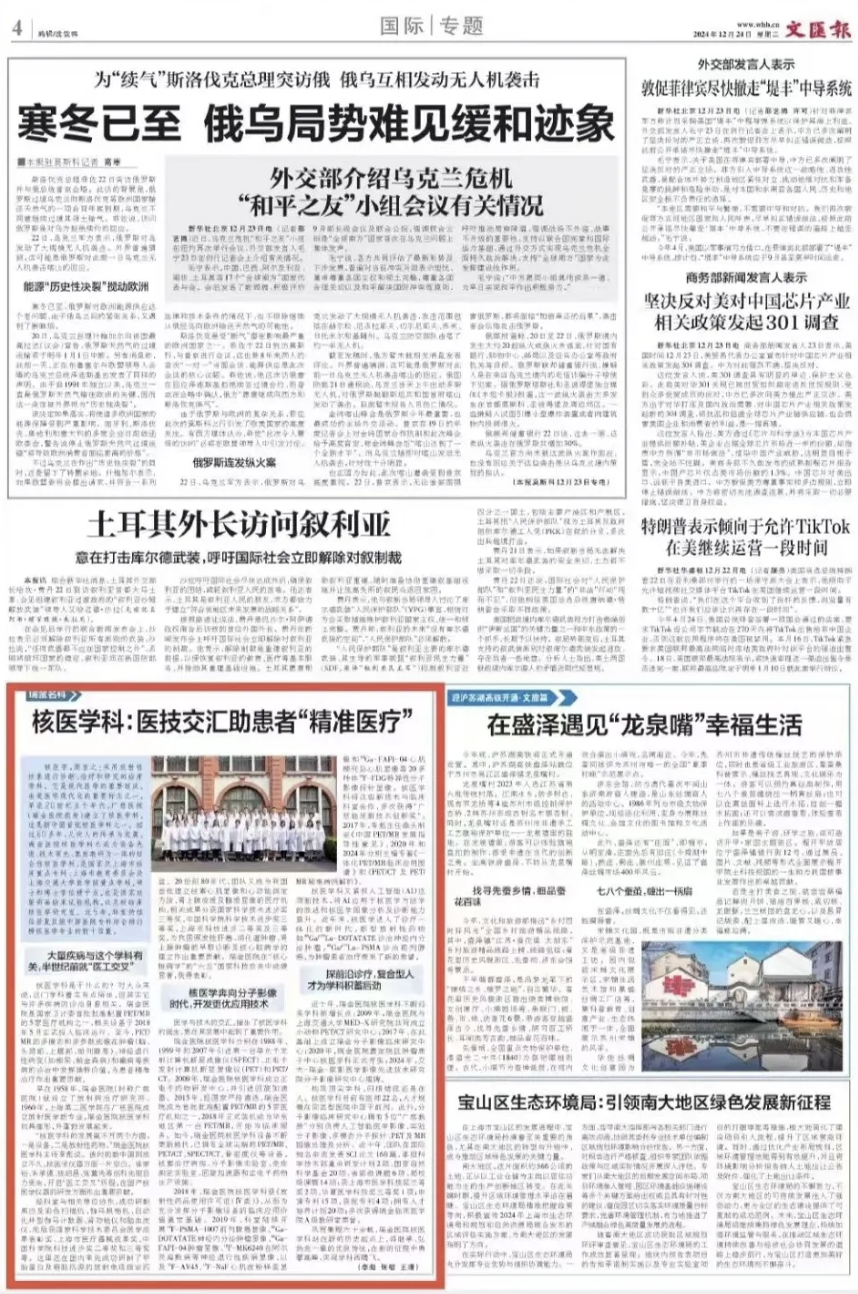
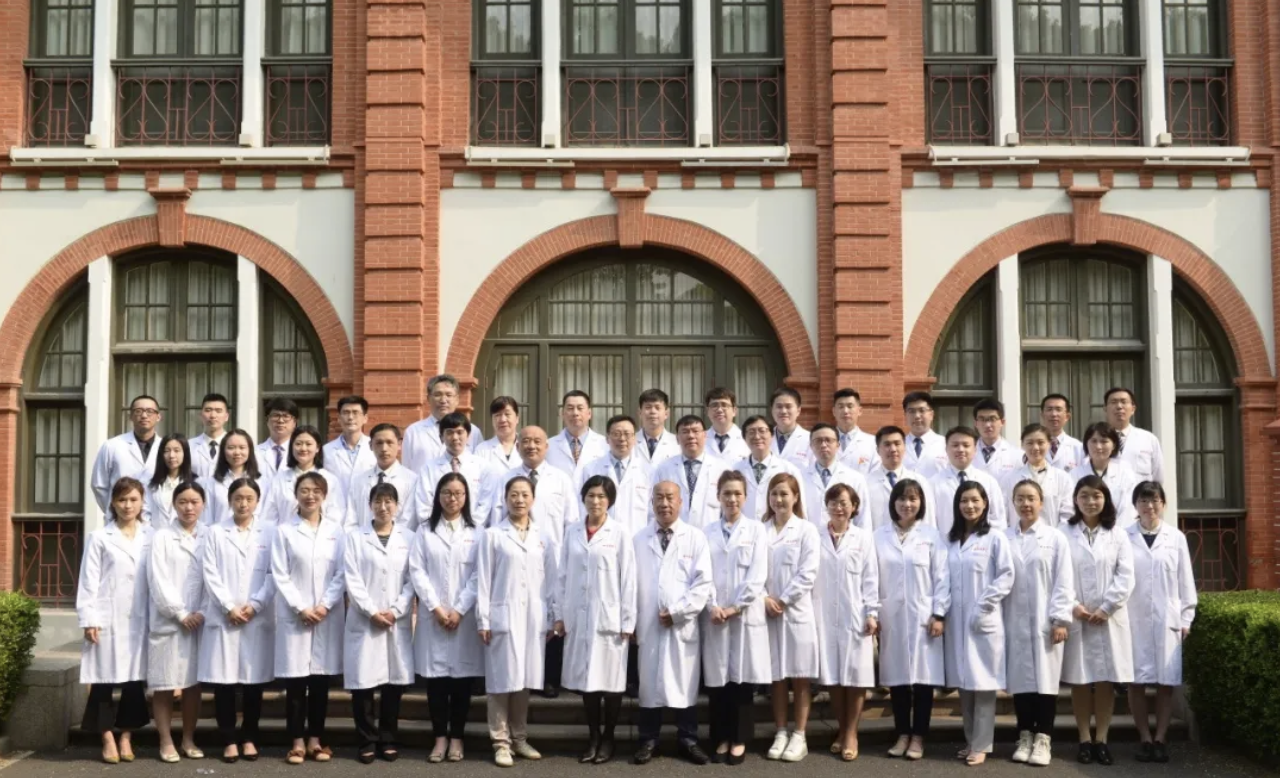
Ruijin’s Leading Specialties | Nuclear Medicine: Bringing Medicine and Technology Together to Advance Precision Care

Nuclear medicine is a clinical discipline that uses radionuclides for diagnosis, treatment, and research. It is an important component of modern medicine and a key indicator of medical modernization. In the 1950s, Guangci Hospital, the predecessor of Ruijin Hospital, established one of the first nuclear medicine departments in the People’s Republic of China.

Ruijin’s Leading Specialties | Nuclear Medicine: Bringing Medicine and Technology Together to Advance Precision Care

This article is reproduced from the official WeChat account of Ruijin Hospital, Shanghai Jiao Tong University School of Medicine. Information on the department, equipment, staffing, and research reflects the original publication.

图片

Nuclear medicine is a clinical discipline that uses radionuclides for diagnosis, treatment, and research. It is an important component of modern medicine and a key indicator of medical modernization. In the 1950s, Guangci Hospital, the predecessor of Ruijin Hospital, established one of the first nuclear medicine departments in the People’s Republic of China.

Following more than 60 years of development across successive generations, Ruijin Hospital’s Department of Nuclear Medicine has become a comprehensive department integrating clinical care, education, and research, supported by advanced equipment and technologies. It is designated as a National Key Clinical Specialty and a Shanghai Key Clinical Specialty, as well as a key discipline of the Shanghai Municipal Education Commission and Shanghai Jiao Tong University School of Medicine. It offers master’s and doctoral degree programs, is accredited to conduct clinical trials of radiopharmaceuticals, and houses the university’s Clinical Nuclear Medicine Research Laboratory. Over the five years preceding the original publication, the department consistently ranked among the top ten in nuclear medicine in the Fudan University China Hospital Specialty Rankings.

Connecting with the Diagnosis and Treatment of Many Diseases: Medical–Engineering Collaboration Began More Than Half a Century Ago

What does a nuclear medicine department do? Although the specialty may be unfamiliar to the general public, it plays a role in diagnosing and treating a wide range of diseases. Ruijin Hospital was one of the first five medical institutions approved by the former National Health and Family Planning Commission to install PET/MR equipment. The system entered clinical service in May 2018. Since then, its multimodal, multiparametric imaging capabilities have provided distinctive value in the diagnosis and management of tumors—including those of the brain, head and neck, upper abdomen, and prostate—as well as neurodegenerative disorders such as dementia and Parkinson’s disease, and epilepsy. These capabilities have contributed substantially to precision care.

As early as 1958, Ruijin Hospital, then known as Guangci Hospital, established an institute for the treatment and study of radiation sickness. In 1960, Shanghai Second Medical College established a new academic program in radiation medicine at Guangci Hospital, laying the foundations for the subsequent growth of Ruijin Hospital’s Department of Nuclear Medicine. “The development of nuclear medicine depends on two things: equipment and radiopharmaceuticals,” said Li Biao, Director of the Department of Nuclear Medicine at Ruijin Hospital.

In the early years of the People’s Republic of China, domestic nuclear medicine instrumentation was virtually nonexistent. Founding pioneers Xu Jiayu, Zhu Chengmo, Qian Shaochang, and Zhang Jixian pursued independent development and began collaborating across medicine and engineering, making important contributions to the development of nuclear medicine instruments in China.

Working with partner institutions, the department successfully developed monochrome and color scanners, gamma cameras, automated well-type gamma counters, renal function measurement instruments, and cerebral blood flow measurement instruments. These achievements received recognition from the State Science and Technology Commission for medical accomplishments, Shanghai awards for medical device development, and second- and third-class Science and Technology Progress Awards from the Chinese Academy of Sciences.

The department was also among the first in China to develop radioimmunoassay kits for alpha-fetoprotein and carcinoembryonic antigen. In the 1980s, it became one of the first medical institutions in China to establish radionuclide myocardial imaging and cardiac function assessment techniques, as well as adrenal cortical and medullary imaging.

These achievements received a third-class National Science and Technology Progress Award, a third-class Science and Technology Progress Award from the Chinese Academy of Sciences, and second- and third-class Shanghai Science and Technology Progress Awards. They contributed to the early diagnosis of primary liver cancer, gastrointestinal tumors, and adrenal tumors, and to the establishment of nuclear cardiology in China. Ruijin Hospital also received recognition for its achievements in nuclear cardiology under the national key science and technology research program during the Sixth Five-Year Plan.

Advancing into the Molecular Imaging Era and Developing New Clinical Applications The convergence of medicine and technology gave rise to nuclear medicine and has continued to drive its development.

Ruijin Hospital’s Department of Nuclear Medicine introduced its first single-photon emission computed tomography (SPECT) system in 1988, its first positron emission tomography (PET) system in 1999, and its first PET/CT system in 2007. In 2009, the department established a positron-emitting radiopharmaceutical research and development center and installed a cyclotron.

In 2015, following a rigorous national selection process, Ruijin Hospital became one of the first five medical institutions approved to install PET/MR equipment. Installed in 2018, the system was the first of its kind in eastern China and began serving clinical practice that year. Through continued equipment upgrades, the department has acquired advanced PET/MR, PET/CT, SPECT/CT, and bone densitometry systems. Its infrastructure also includes a radionuclide therapy ward, a molecular imaging laboratory, an immunoassay laboratory, a cyclotron, and facilities for producing positron-emitting radiopharmaceuticals.

In 2018, the department obtained a Class IV License for the Use of Radiopharmaceuticals, providing a foundation for expanding the clinical applications of its molecular imaging equipment. Beginning in 2019, the department progressively introduced imaging with more than 20 targeted molecular imaging probes beyond fluorine-18 fluorodeoxyglucose (¹⁸F-FDG). Applications included ¹⁸F-PSMA-1007 imaging for prostate cancer, ⁶⁸Ga-DOTATATE imaging for neuroendocrine tumors, ⁶⁸Ga-FAPI-04 tumor imaging, and ¹⁸F-MK6240 imaging for Alzheimer’s disease and other neurodegenerative disorders. The original article also lists ¹⁸F-AV45 and ¹⁸F-NaF imaging for cardiac amyloidosis, and ⁶⁸Ga-FAPI-04 myocardial imaging following myocardial infarction.

Through collaboration with clinical departments, these new technologies have received the Guangci Award for Innovation in New Clinical Technologies on multiple occasions.

In 2017, Director Li Biao led the development of Guiding Recommendations for the Development of PET/MR in China. He subsequently served as editor-in-chief of Atlas of Clinical Applications of Integrated PET/MR, published in 2020, and Analysis of Challenging PET/CT and PET/MR Cases, published in 2024.

The department has also adopted artificial intelligence (AI) to improve nuclear medicine methodologies and enhance image analysis and diagnostic capabilities. In recent years, nuclear medicine has entered a new era of theranostics, integrating diagnostic imaging with targeted radionuclide therapy. Radiopharmaceutical approaches such as ⁶⁸Ga/¹⁷⁷Lu-DOTATATE for neuroendocrine tumors and ⁶⁸Ga/¹⁷⁷Lu-PSMA for prostate cancer have opened new possibilities for cancer care. Exploring Advanced Diagnosis and Treatment: Building Momentum Through Multidisciplinary Expertise Ruijin Hospital’s Department of Nuclear Medicine has continued to establish new platforms for development.

In 2009, Ruijin Hospital and the MED-X Research Institute of Shanghai Jiao Tong University jointly established a small-animal PET/CT research center. In 2017, this platform was expanded into the Ruijin Clinical Research Center for Molecular Imaging.

In 2020, the nuclear medicine department at the Oncology Proton Therapy Center on Ruijin Hospital’s Jiading campus officially opened. In 2024, the Molecular Imaging Research Center of the joint Shanghai Jiao Tong University–Ruijin Hospital–United Imaging institute for advanced medical imaging technology was inaugurated.

Ultimately, building a leading specialty depends on its people. At the time of the original publication, the department had 22 physicians, placing it among the larger teams at comparable hospitals. The Clinical Research Center for Molecular Imaging also employed five Guangci Professors whose areas of responsibility included AI-based medical imaging, experimental molecular imaging, multimodal molecular probes, and PET and MR image processing and analysis. During the ten years preceding the original publication, the team published 160 Science Citation Index (SCI)-indexed papers in internationally recognized journals. It undertook two projects under the Ministry of Science and Technology’s National Key R&D Program, 20 projects funded by the National Natural Science Foundation of China, six provincial- or ministerial-level projects, and 14 bureau- or university-level projects.

The team received two third-class Shanghai Medical Science and Technology Awards and one third-class Huaxia Medical Science and Technology Award. It filed 15 patent applications, obtained four granted patents, and received support through 20 talent development initiatives. The department has also repeatedly been recognized as a Grade A teaching unit by Ruijin Clinical Medical College.

After more than six decades of development, Ruijin Hospital’s Department of Nuclear Medicine stands at a new stage in its history. Building on the traditions established by earlier generations, it aims to continue advancing the specialty and reaching new milestones.

图片

Original authors: Li Biao, Zhang Min, and Wang Jin
Original editor: Wen Zhaoqi
Original source: Official WeChat account of Ruijin Hospital, Shanghai Jiao Tong University School of Medicine
 Translation and republication notice: This article is an English translation of the Chinese original cited above. Copyright remains with the original authors and relevant rights holders. It is shared for educational and informational purposes. Its republication does not imply endorsement of this account or its services by the original authors or the medical institution concerned. The content does not constitute individualized medical advice. Decisions regarding examinations and treatment should be made by qualified physicians based on each patient’s circumstances.
Read full article

Featured
· 28 min read surgery

Taking Steps Again in Hangzhou: A Russian Girl’s Progress Following Spinal Neural Interface Implantation and Rehabilitation

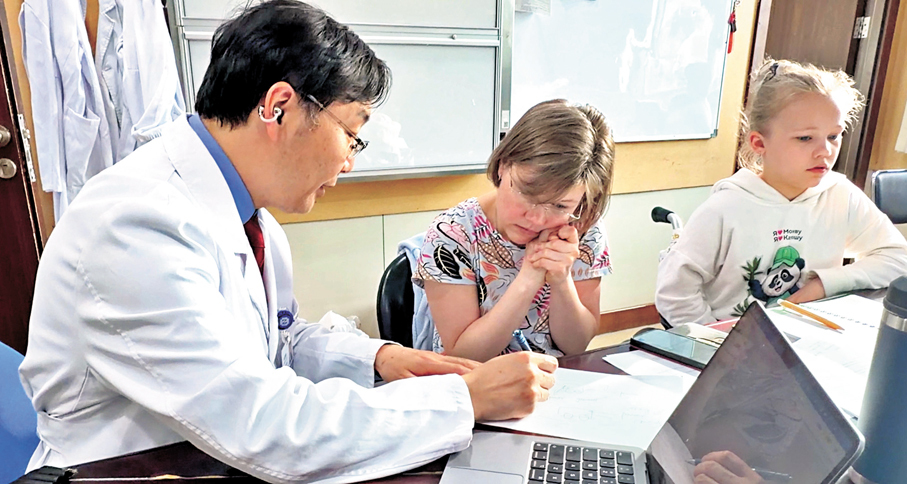
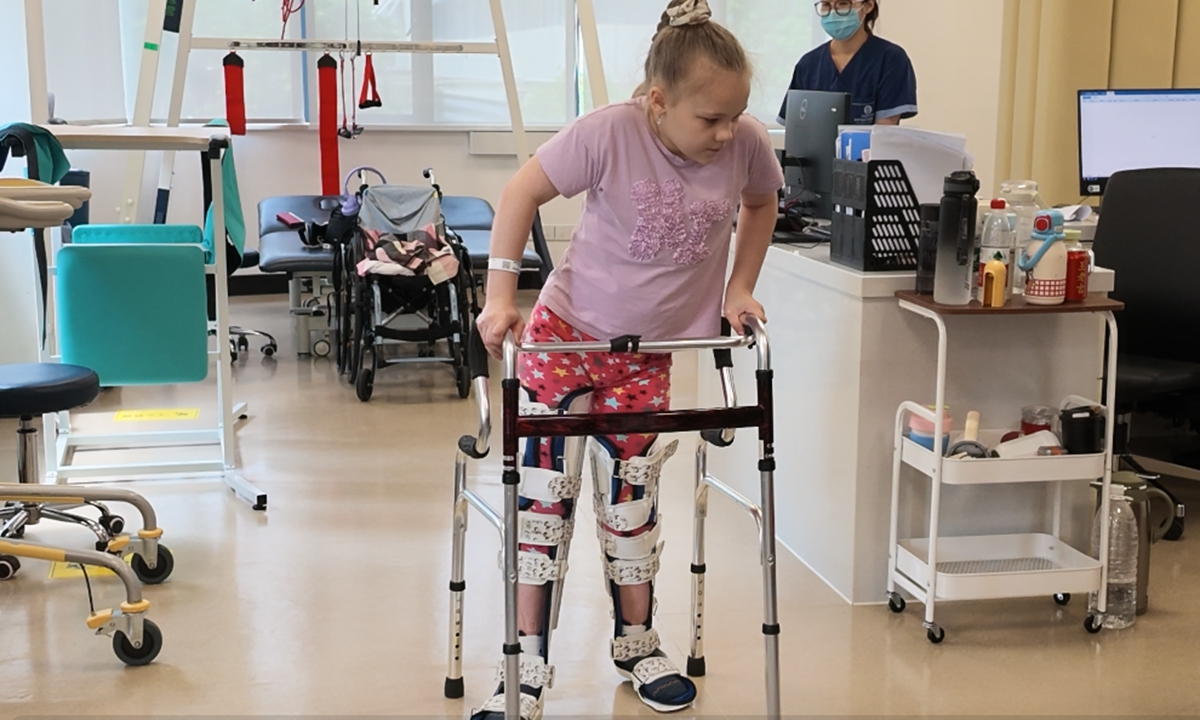
According to a report published by Chao News on September 2, 2026, 12-year-old Vera from Russia was taking steps with the support of a walker in the spinal cord injury clinical research ward at the Second Affiliated Hospital, Zhejiang University School of Medicine.

Taking Steps Again in Hangzhou: A Russian Girl’s Progress Following Spinal Neural Interface Implantation and Rehabilitation

“I like walking.”

According to a report published by Chao News on September 2, 2026, 12-year-old Vera from Russia was taking steps with the support of a walker in the spinal cord injury clinical research ward at the Second Affiliated Hospital, Zhejiang University School of Medicine.

Following a severe spinal cord injury sustained in a road traffic accident, Vera underwent implantation of a closed-loop spinal neural interface and continued rehabilitation. She subsequently regained some lower-limb function and became able to take voluntary steps with the assistance of a walker.

图片

From Moscow to Hangzhou: Seeking Further Treatment

Vera is from Moscow. According to the report, a road traffic accident severely injured her thoracic spinal cord, resulting in loss of movement in both legs and substantial sensory loss. Her mother sought treatment at several hospitals in Russia, where Vera underwent eight months of rehabilitation with limited improvement in lower-limb function.

Her family continued to explore treatment options and eventually contacted the hospital’s International Medical Services Department through the Russian Embassy in China. A multidisciplinary team conducted a remote consultation, assessing her condition, the proposed treatment, and the risks associated with a long-haul flight before recommending that she travel to the hospital for further evaluation and care.

In April 2026, Vera and her mother arrived in Hangzhou from Moscow.

Preserved Neural Function Provided a Basis for Treatment

Assessment after admission indicated that Vera had an incomplete spinal cord injury, with some neural pathways and function remaining intact.

According to the original report, Dr. Zhu Junming, a senior neurosurgeon at the hospital, explained that the treatment aims to modulate activity in the remaining neural pathways through electrical stimulation and, together with rehabilitation, facilitate recovery of motor function.

During the procedure, the surgical team implanted stimulation electrodes along the dorsal aspect of Vera’s spinal cord, together with a pulse generator. Because she was still growing, the team adapted the electrode placement and fixation to accommodate future growth.

Continued Rehabilitation Supported Functional Improvement

Implantation was one component of treatment. Subsequent stimulation adjustments and rehabilitation were also essential.

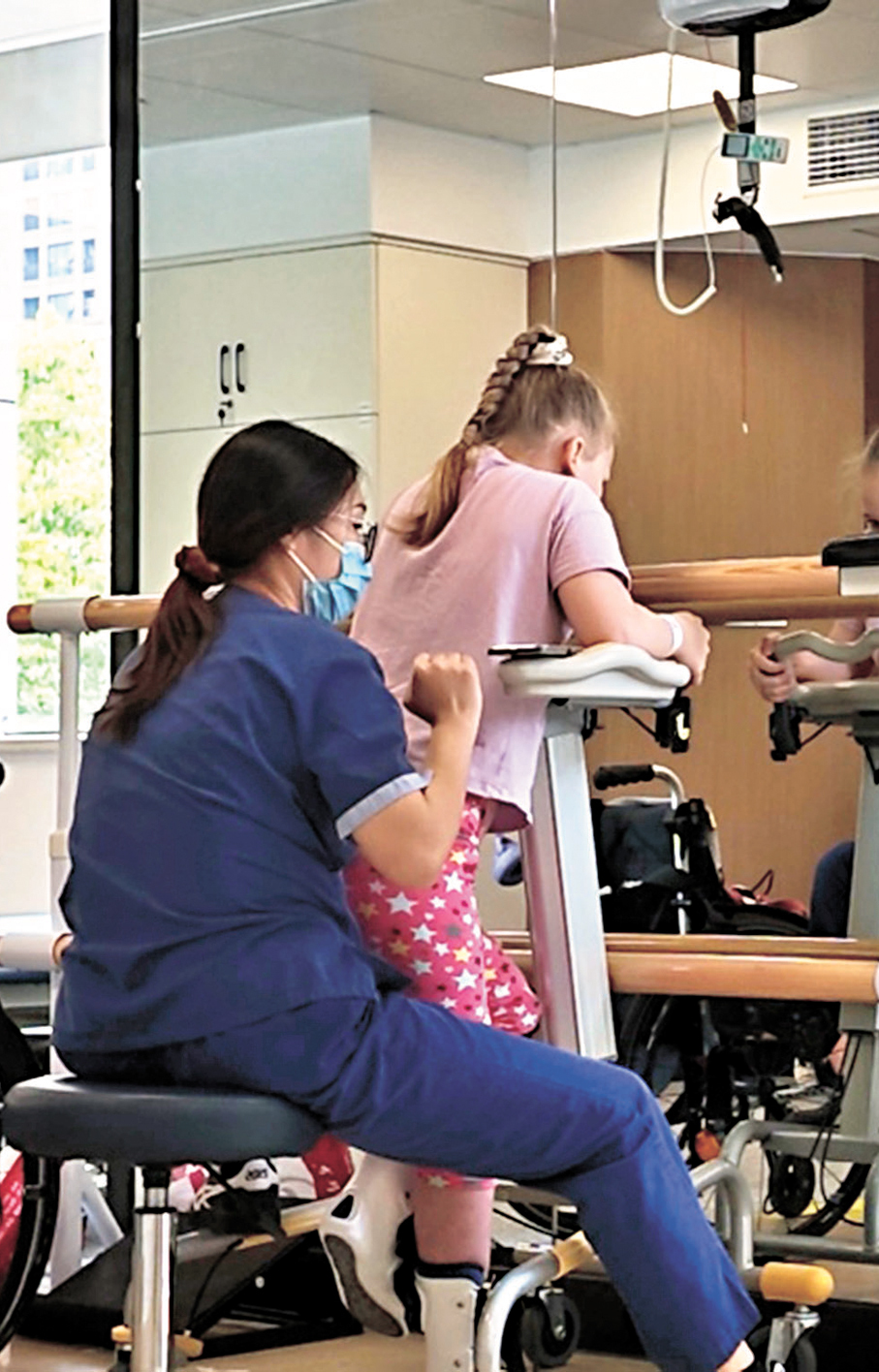
The report stated that signs of movement appeared in Vera’s previously largely immobile legs approximately two weeks after surgery. Under the guidance of rehabilitation therapists, she then progressively undertook exercises involving hip flexion, leg lifting, lower-limb control while seated, weight shifting in standing, and stepping.

A team led by Xiong Bing, Deputy Director of the hospital’s Rehabilitation Department, adjusted stimulation parameters in response to Vera’s motor performance to coordinate electrical stimulation with her active movement training.

Approximately one month after surgery, Vera could stand steadily with assistive support. Sensation in the soles of her feet and hip movement also gradually improved. By approximately three months after surgery, she could voluntarily take forward steps using a walker.

图片

This progress represented a partial recovery of voluntary walking ability with assistive support. Continued rehabilitation remained necessary.

How Does the Closed-Loop System Support Rehabilitation?

According to the original report, Professor Xu Kedi of Zhejiang University’s College of Biomedical Engineering and Instrument Science explained that the system delivers electrical stimulation through implanted electrodes and a pulse generator. External software controls the stimulation parameters, while wireless electromyographic sensors on the legs provide feedback to guide adjustments, forming a closed-loop control system.

The hospital team described the technology as independently developed in China. As of the original report’s publication, more than 20 patients with spinal cord injuries had undergone the procedure, with varying degrees of improvement in lower-limb function reported in most patients. Vera was reported to be the hospital’s first international patient with a severe spinal cord injury to achieve walking with an assistive device following implantation of the closed-loop spinal neural interface.

The team also emphasized that the technology is currently intended primarily for patients with incomplete spinal cord injuries and is not suitable for all patients with paraplegia. Eligibility requires specialist assessment of the individual patient’s condition.

Rehabilitation Continues After the First Steps

The original report stated that Vera planned to return to Russia to continue rehabilitation. For her and her family, being able to perform more movements and take steps with a walker represented meaningful progress.

The medical team’s next goal was to help her gradually transition from a walker to two crutches and improve her ability to manage daily activities independently. Whether this goal can be achieved will require continued assessment during rehabilitation.

For Vera, learning to walk again remains a process requiring patience and persistence. Her words, “I like walking,” capture both the progress she has made and her hopes for the future.

Source: Chao News, “In Hangzhou, She Learned to Take Steps Again: The Second Affiliated Hospital, Zhejiang University School of Medicine Performs Closed-Loop Spinal Neural Interface Implantation to Help a Russian Girl Walk” [original article in Chinese], published on September 2, 2026.

This article has been compiled and adapted from the original report. All treatment progress and figures reflect the information available at the time of that report’s publication. Outcomes in this individual case do not establish the outcomes that other patients may achieve.

Read full article

Featured
· 27 min read surgery

When a Rare Disease Meets Scoliosis: Three Patients’ Treatment Journeys at Xinhua Hospital

For some people living with spinal muscular atrophy (SMA), everyday movements such as turning over, lifting their head or sitting upright can be difficult. Progressive muscle weakness may be accompanied by spinal deformity, further affecting daily activities and, in some cases, respiratory function.

For patients with SMA and severe scoliosis, treatment requires careful assessment of their individual condition, potential benefits and risks.

In a report published on February 29, 2024, Shanghai Jiao Tong University School of Medicine Affiliated Xinhua Hospital shared the experiences of three patients who underwent spinal deformity correction. Their stories describe changes that mattered deeply to them: sitting more upright, posing beside a partner for a wedding photograph and continuing their education.

Longlong: Sitting More Upright and Supporting Other Patients

Longlong, described as 21 years old in the original report, had SMA complicated by severe scoliosis. His spinal deformity had also affected his cardiopulmonary function.

He had previously undergone more than a year of halo traction treatment at another institution, without substantial improvement. After learning about Professor Yang Junlin’s team at Xinhua Hospital and its experience with similar cases, he sought care there.

Longlong underwent spinal correction surgery in 2020. According to the hospital’s report, his height increased by 10 centimetres after surgery.

图片

For him, the more meaningful change was an improvement in his sitting posture. Previously, when seated at a restaurant table, only his head extended above the tabletop. After surgery, he could sit more upright, making everyday activities easier.

At a follow-up visit in 2023, the report stated that his condition remained satisfactory.

His treatment experience also encouraged him to support others living with rare diseases. He established a patient support group, shared information and personal experiences, and helped fellow patients explore professional assessment and treatment options. Along the way, he also found love.

Aliang: A Wedding Photograph Beside His Wife

Aliang, described as 36 years old in the original report, had lived for many years with the difficulties associated with SMA and scoliosis. With severely limited movement in his limbs, he relied on an eye-tracking device to carry out his work.

Although he was aware of spinal correction surgery, concerns about its risks had made him hesitant to proceed.

As he prepared to get married, he reconsidered treatment. He hoped to improve his physical condition as he and his partner planned their future together.

Through other patients, Aliang learned about Professor Yang’s team and the experiences of people who had undergone spinal correction. Longlong subsequently helped him contact the team.

Aliang’s physical condition presented considerable surgical and anaesthetic challenges. His bone condition also added to the complexity of the procedure.

In April 2023, Professor Yang’s team, working with other hospital departments, performed spinal deformity correction surgery. The original report stated that the degree of correction exceeded 80%.

Six months after surgery, Aliang fulfilled his wish to pose shoulder to shoulder with his wife for a photograph.

Yangyang: Continuing Her Education

Yangyang, described as 22 years old in the original report, had lived with SMA since childhood. Despite the difficulties she faced, she continued to pursue her education.

During her undergraduate studies, severe scoliosis caused pronounced forward bending of her upper body. Writing became difficult, and her cardiopulmonary function was also affected.

She sought treatment at several institutions but was advised against surgery because of its complexity and associated risks. Through Longlong, she eventually contacted Xinhua Hospital.

In July 2023, Professor Yang’s team performed spinal deformity correction surgery.

According to the original report, her scoliosis angle decreased from 180° to 85°, while her kyphosis angle decreased from 178° to 92°. Following surgery, she was able to sit more upright.

When she was discharged in August 2023, Yangyang received an offer of admission to a postgraduate programme at Beijing Foreign Studies University. The improvement in her physical condition helped her prepare for this next stage of her education.

Recognising the Changes That Matter in Daily Life

For these patients, the significance of treatment extended beyond spinal alignment. It could be seen in everyday experiences: sitting more comfortably, sharing a photograph with a loved one or continuing an education.

Their stories also highlight the importance of access to specialist care, informed decision-making, and understanding and support for people living with rare diseases.

The procedures described in this article were performed to correct spinal deformity; they should not be interpreted as cures for SMA. These individual outcomes do not establish what another patient can expect. Suitability for surgery, potential benefits and risks require assessment by a specialist medical team.

Source: Shanghai Jiao Tong University School of Medicine Affiliated Xinhua Hospital
Original article link: https://www.xinhuamed.com.cn/med/detail-5851.html

Editorial and translation note: This article has been adapted and translated from the hospital report cited above. The title and wording have been edited, and some material has been omitted. Patient names follow the original report. Ages, treatment details and outcomes refer to the information reported at the time of publication and do not represent current updates. This article is provided for general information and does not constitute individual medical advice.

Read full article

Featured
· 23 min read [DragonFly™

Academician Wang Jian’an’s Team from Zhejiang University’s Second Affiliated Hospital Visits Kazakhstan for Demonstrations of Complex Cardiac Interventions and Academic Exchange

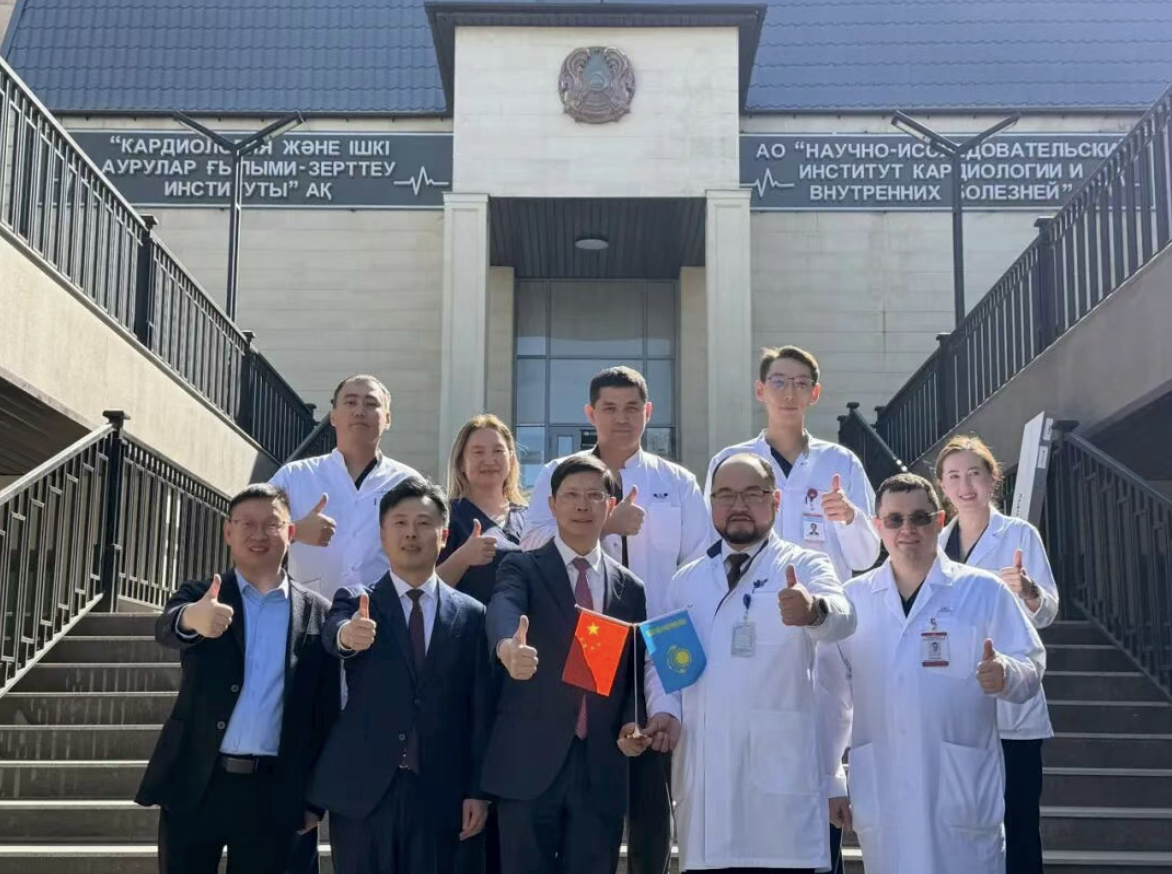
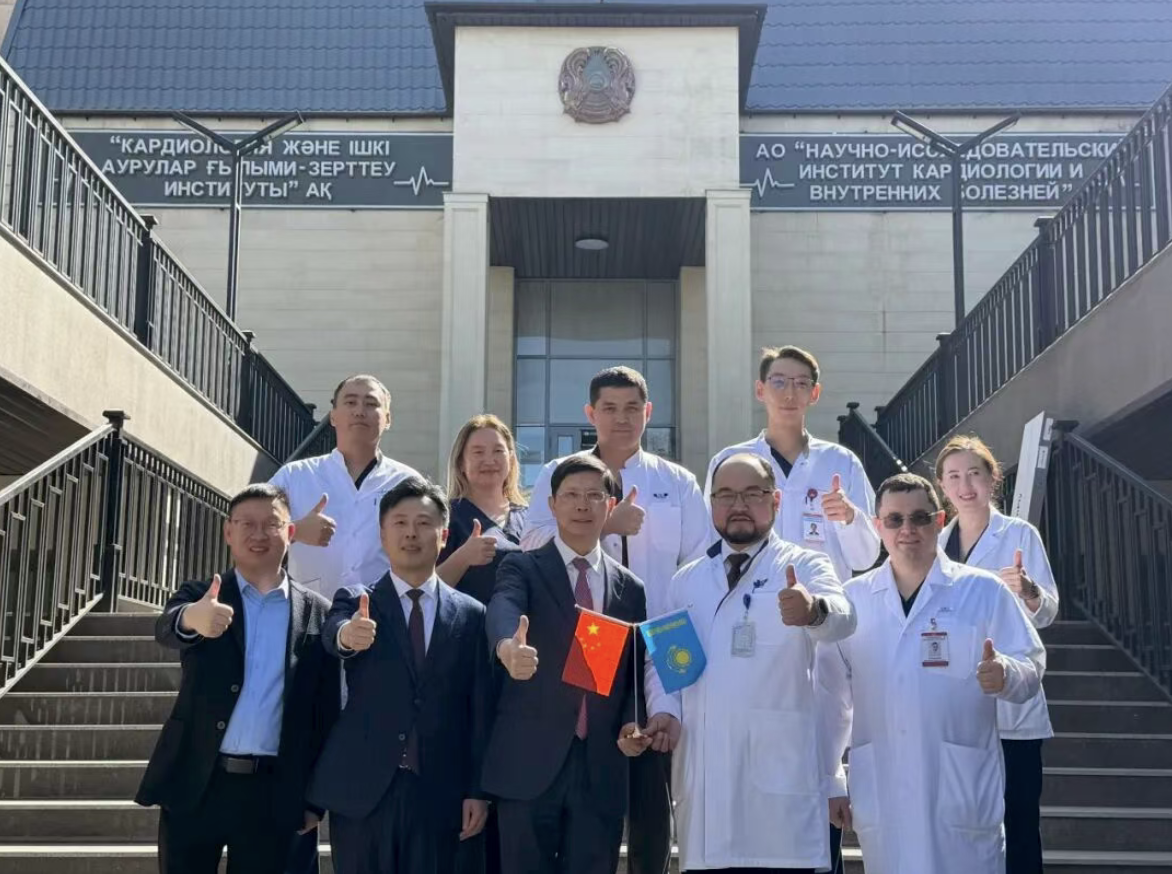
According to the official account of the Second Affiliated Hospital, Zhejiang University School of Medicine, a delegation led by Professor Wang Jian’an visited the Research Institute of Cardiology and Internal Diseases (RIKD) in Almaty, Kazakhstan, from September 23 to 25. Professor Wang is a member of the Chinese Academy of Sciences, Director of the State Key Laboratory of Transvascular Implantation Devices, and President and Director of the Heart Center at the hospital.

Academician Wang Jian’an’s Team from Zhejiang University’s Second Affiliated Hospital Visits Kazakhstan for Demonstrations of Complex Cardiac Interventions and Academic Exchange

Academician Wang Jian’an’s Team from Zhejiang University’s Second Affiliated Hospital Visits Kazakhstan for Demonstrations of Complex Cardiac Interventions and Academic Exchange

According to the official account of the Second Affiliated Hospital, Zhejiang University School of Medicine, a delegation led by Professor Wang Jian’an visited the Research Institute of Cardiology and Internal Diseases (RIKD) in Almaty, Kazakhstan, from September 23 to 25. Professor Wang is a member of the Chinese Academy of Sciences, Director of the State Key Laboratory of Transvascular Implantation Devices, and President and Director of the Heart Center at the hospital.

The visit included procedural demonstrations, case discussions, and academic lectures on structural heart disease, providing an opportunity for Chinese and Kazakh medical teams to exchange experience in the management of complex valvular disease. 图片

Multidisciplinary Assessment and Individualized Treatment Planning

RIKD is a major national referral and treatment center for cardiovascular disease in Kazakhstan. It has extensive experience in complex coronary interventions and the treatment of structural heart disease, routinely performing procedures such as transcatheter aortic valve implantation (TAVI) and transcatheter edge-to-edge repair (TEER).

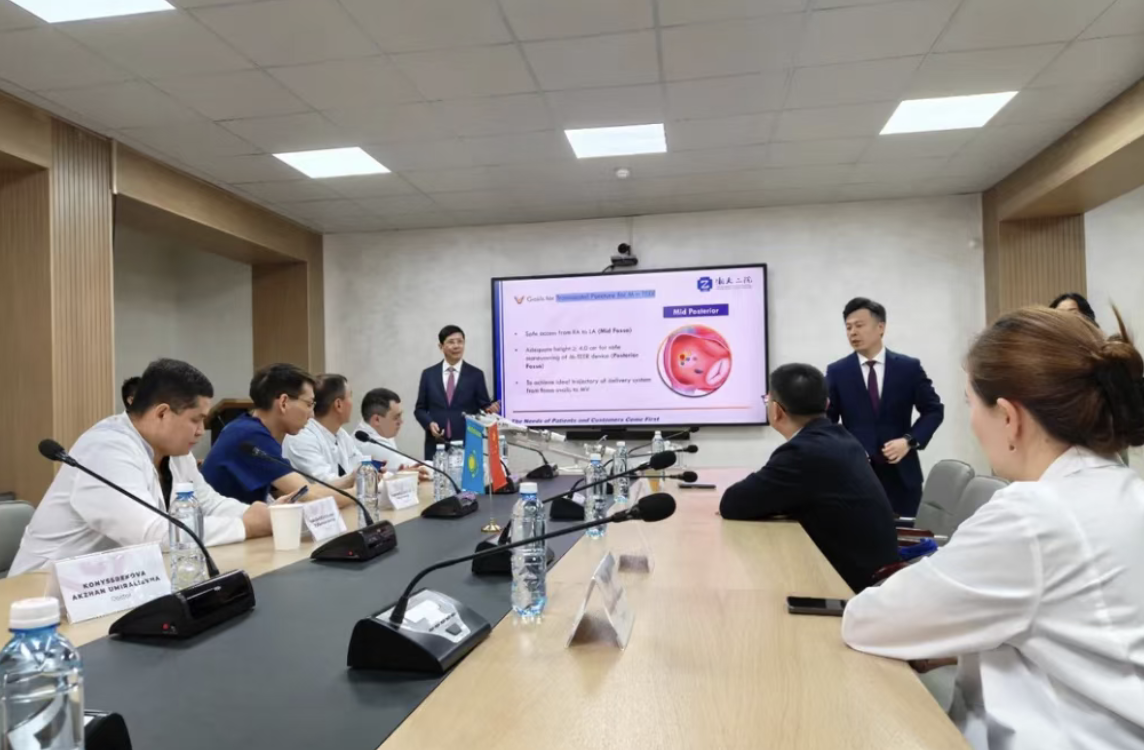
Before the procedures, Academician Wang’s team conducted preprocedural assessments jointly with Alexey Kolesnikov, Head of the Catheter Intervention Team; Akzhan Konysbekova, Head of the Functional and Ultrasound Diagnostics Department; and local multidisciplinary specialists, including cardiologists and cardiac surgeons.

The teams reviewed each patient’s valvular anatomy, imaging findings, anticipated technical challenges, and procedural strategy to develop individualized treatment plans for the complex cases. 图片

Four Complex Mitral Valve Interventions Completed Collaboratively

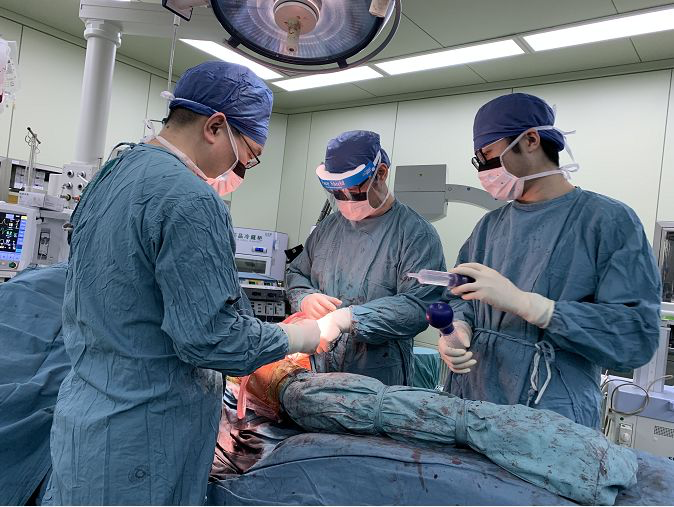
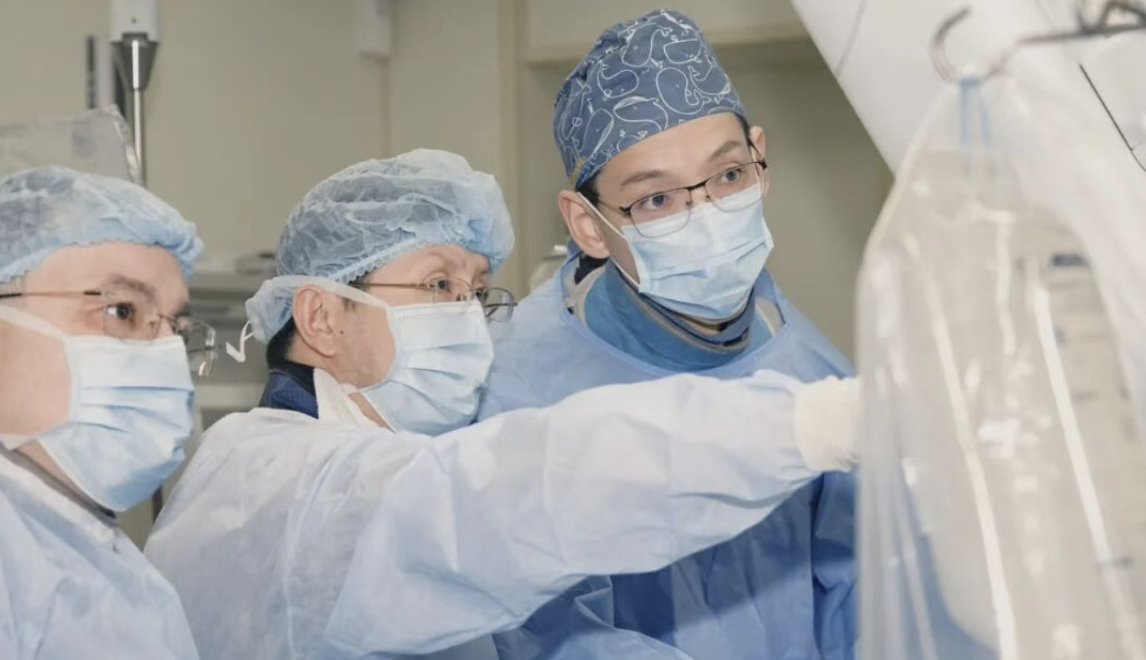
During the visit, the Chinese team worked alongside local cardiologists to perform four technically challenging transcatheter mitral edge-to-edge repair procedures as teaching demonstrations.

The first patient had atrial functional mitral regurgitation (AFMR), with severe regurgitation and concomitant posterior mitral leaflet calcification. The challenging leaflet tissue characteristics increased the risk of leaflet injury during the procedure.

Under transesophageal echocardiographic and three-dimensional imaging guidance, the team used the DragonFly™ transcatheter mitral valve clip system and developed a clipping strategy tailored to the patient’s anatomy. The procedure was completed successfully.

According to the hospital’s report, mitral regurgitation was substantially reduced following the procedure. The other three complex procedures were also completed successfully, with favorable immediate procedural outcomes reported.

Sharing Experience in Clinical Practice and Technological Innovation

The academic program included lectures and in-depth discussions with local specialists in interventional cardiology, cardiac imaging, and cardiac surgery. Topics included innovation driven by clinical needs, interventional strategies for complex valvular disease, and independently developed transcatheter valve technologies.

According to Valgen Medtech’s report on the event, Academician Wang shared practical experience in collaboration between clinicians and engineers and the translation of research into clinical applications. Professor Liu Xianbao discussed key aspects of TEER practice, including patient selection, procedural strategies for different valvular lesions, and intraprocedural techniques, drawing on clinical cases to inform the management of complex patients. 图片

The visit also included a cultural exchange. Ahead of the Mid-Autumn Festival, the Chinese team shared mooncakes and festive greetings with their Kazakh colleagues, providing an opportunity to strengthen mutual understanding and collegial ties.

By combining the clinical application of an innovative device with the exchange of practical experience, the program addressed preprocedural assessment, imaging interpretation, procedural planning, and technical execution. It provided an opportunity for further exchange between Chinese and Kazakh medical teams in the management of complex structural heart disease.

Sources:The official account of the Second Affiliated Hospital, Zhejiang University School of Medicine, “Academician Wang Jian’an’s Team from Zhejiang University’s Second Affiliated Hospital Visits Kazakhstan for Demonstrations of Complex Cardiac Interventions and Academic Exchange,” published on September 26, 2026; and Valgen Medtech’s report on the event.

This article was compiled from the above published reports.

Read full article

Featured
· 52 min read [second-opinion

What Happens After You Ask Us for a Medical Second Opinion

A behind-the-scenes account of how we organise a case, identify the right clinical question and help patients understand what comes next after requesting a medical second opinion in Shanghai.

What Happens After You Ask Us for a Medical Second Opinion

HSMC Insights — Most medical cases do not arrive on our desk in a perfectly organised file.

We may receive a brief message from a family member, several reports from different hospitals, photographs of laboratory results, an imaging link and one urgent question:

“The doctor has recommended surgery. Can you help us find out whether there is another option?”

At HONG Shanghai Medical Concierge, this is often how a medical second opinion begins.

Patients sometimes expect us to forward their documents to another doctor and return with a yes-or-no answer. In reality, a meaningful second opinion involves much more. Before a specialist can evaluate a treatment plan, we first need to understand the medical history, identify the decision the patient is facing and determine whether the available records are sufficient.

Here is what actually happens after a patient sends a case to us.

First We Ask What Decision the Patient Is Facing

A diagnosis alone does not always tell us why a second opinion is needed.

Two patients with the same diagnosis may be facing completely different decisions. One may be deciding whether to undergo surgery. Another may be looking for options after treatment has failed. A third may have received conflicting recommendations from different hospitals.

Our first task is therefore to understand the question behind the medical records:

  • What diagnosis has been given?
  • What treatment has been recommended?
  • Is the patient uncertain about the diagnosis, the treatment plan or both?
  • Has treatment already started?
  • Has the condition recently changed?
  • What does the patient most want the specialist to address?

This step sounds simple, but it often changes the direction of the review.

A patient may initially ask, “Do I need surgery?” After we examine the information, the more immediate question may be, “Has the diagnosis been fully confirmed?” or “Is the current imaging recent enough to support a surgical decision?”

The quality of a second opinion depends partly on asking the right question.

We Reconstruct the Medical Timeline

Medical records usually come from different stages of a patient’s care.

One report may describe the first symptoms. Another may contain the initial diagnosis. Later records may show further examinations, treatment attempts or a recommendation for surgery.

Each document provides only one part of the story. Our team organises the information into a clearer medical timeline:

  • When did the symptoms begin?
  • How have they progressed?
  • Which examinations have been completed?
  • What diagnoses have been considered?
  • What treatment has already been attempted?
  • How did the patient respond?
  • What is being recommended now?

This is not simply administrative work. The order in which events occurred can affect how a specialist interprets the case.

For example, an imaging result from six months ago may no longer answer a question about the patient’s current condition. A treatment described as unsuccessful may not have been completed at the intended dose or duration. A recommendation for surgery may have been made before a later test became available.

Reconstructing the timeline helps us show the specialist not only what the records contain, but how the case developed.

We Check Whether the Records Are Sufficient

Sometimes we receive enough information for a specialist to begin the review immediately.

At other times, an important part of the case is missing.

The patient may have a written CT or MRI report but not the original images. A pathology summary may be available without the complete pathology findings. Laboratory results may be outdated. A previous surgery may be mentioned without an operative report.

Before arranging the specialist review, we check whether the records can reasonably support the questions being asked. At this stage, we may conclude that:

  1. The available information is sufficient for a specialist review.
  2. Additional existing records should be collected first.
  3. A new examination may be needed before a responsible recommendation can be made.

Patients naturally want answers as quickly as possible. However, asking a specialist to make a major recommendation based on incomplete information can create false certainty.

Sometimes the most responsible first response is: we need more evidence before this question can be answered properly.

We Identify the Right Type of Specialist

Patients often ask us to find the “best” doctor.

We understand the intention, but in practice, the more useful question is: which specialist has the most relevant experience for this particular condition and medical decision?

A well-known doctor is not automatically the right doctor for every case within a specialty.

A cardiovascular case, for example, may require an interventional cardiologist, a cardiac surgeon or an electrophysiologist. A lung condition may need a thoracic surgeon, respiratory specialist, radiologist or oncologist. Some cases are best reviewed by more than one specialty.

We therefore match the case according to the condition, the proposed treatment and the expertise required — not simply according to a doctor’s general reputation.

This matching process is one of the most important parts of our work, although it is largely invisible to the patient.

The Specialist Reviews the Decision, Not Only the Diagnosis

When the medical information is ready, we present the case and the patient’s questions to an appropriate Shanghai specialist or medical team. The review may consider:

  • Whether the diagnosis is adequately supported
  • Whether additional investigations are required
  • Whether the current treatment plan is reasonable
  • Whether the timing of treatment is appropriate
  • Whether alternative or less invasive approaches are possible
  • Whether another specialty should be involved
  • What may happen if treatment is delayed
  • What the next step should be

A second opinion does not always produce a different diagnosis or treatment plan.

Sometimes the Shanghai specialist agrees with the original doctor. For a patient facing major surgery, this confirmation can still be meaningful. It may give the patient greater confidence that the proposed direction is appropriate.

In other cases, the diagnosis may be accepted but a different treatment method, surgical technique or sequence of care may be suggested.

Occasionally, the conclusion is that no treatment decision should be made yet because an important examination is still missing.

All three outcomes can be valuable.

We Read the Report From the Patient’s Perspective

When a specialist completes the review, our work is not necessarily finished.

A medical opinion can be technically clear to another physician but difficult for a patient or family to interpret. It may describe what should be done without explaining the urgency, the practical sequence or how the recommendation compares with the current plan.

We read the report from the patient’s perspective and identify points that may require further clarification:

  • Does the patient need to act immediately?
  • Which examination should be completed first?
  • Can it be completed in the patient’s home country?
  • Is the suggested treatment substantially different from the current recommendation?
  • Would travelling to Shanghai add meaningful medical value?
  • What should the patient discuss with the current doctor?

Where necessary, we return to the specialist with additional questions before presenting the opinion to the patient.

Our role is not to change the specialist’s medical conclusion. It is to make sure that the conclusion can be understood and used in a real decision.

We Discuss What Is Known and What Is Still Uncertain

A written report is important, but it does not always answer every concern a patient has.

During the follow-up conversation, we explain the main findings and help the patient distinguish between:

  • What the medical records clearly show
  • What the specialist believes is most likely
  • What remains uncertain
  • What additional information may be needed
  • Which treatment options can reasonably be considered
  • What the possible next steps are

We also encourage patients to bring their own questions.

A good second-opinion conversation should not pressure someone toward a particular hospital, doctor or country. It should give the patient a clearer basis on which to make a decision.

The Outcome Is Not Always Treatment in Shanghai

Some patients contact us because they are already considering travelling to China. Others simply want access to another specialist perspective.

Receiving a second opinion through HSMC does not mean that a patient must come to Shanghai.

After the review, the patient may decide to:

  • Continue with the current medical team
  • Discuss the recommendations with the treating doctor
  • Complete additional examinations locally
  • Seek further specialist advice
  • Change the treatment approach
  • Explore treatment in Shanghai

Sometimes our conclusion is that the patient already has an appropriate treatment pathway and can continue locally.

Sometimes we identify missing information that should be obtained before travel is considered.

In other cases, the Shanghai specialist may offer a relevant treatment approach or clinical experience that the patient wishes to explore further.

Our responsibility is to explain these possibilities clearly. The decision remains with the patient.

What We Have Learned From Coordinating Second Opinions

One lesson appears repeatedly in our work: patients do not always need more information. They need the existing information to be organised around the decision they must make.

More reports, more online searches and more isolated medical opinions can sometimes create additional confusion.

A useful second opinion should bring the case back to a few essential questions:

  • What do we know?
  • What do we not yet know?
  • Is the proposed treatment medically reasonable?
  • Are there meaningful alternatives?
  • What needs to happen next?

The answer may confirm the original plan. It may open another possibility. It may also reveal that a decision should wait until further evidence is available.

The purpose is not to produce a more dramatic opinion. It is to produce a clearer one.

Before the Next Step

For us, a second opinion is not simply a report sent from one doctor to another patient.

It is a process of reconstructing the medical history, defining the real question, identifying the relevant expertise, clarifying the specialist’s reasoning and helping the patient understand what comes next.

We cannot remove every uncertainty from a complex medical situation.

But before a patient agrees to major surgery, changes treatment or travels to another country for care, we believe that uncertainty should be examined carefully — and the decision should be based on the clearest medical understanding available.


HONG Shanghai Medical Concierge is an independent medical coordination service, not a hospital. We help international patients organise their medical information, access appropriate specialist resources in Shanghai and understand their possible next steps. Medical care is provided by qualified hospitals and physicians selected by the patient.

Considering a second opinion? Tell us about your case — no obligation to travel.

Read full article

Email Our Medical Team

We typically respond within 24 hours

medical.inquiry@shanghaihealth.center
Open Email Client